
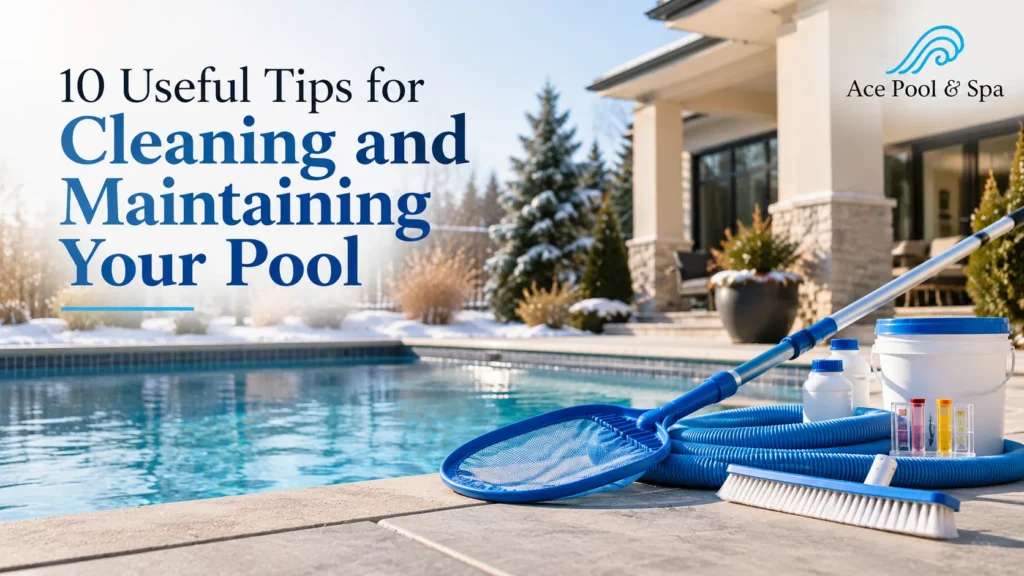
The swimming pool can be the main attraction in one’s backyard, providing a spot for relaxation, exercise, and fun. But in order to maintain the quality of the water, it takes more than ridding it of some leaves. Water can easily become contaminated by dust, algae, germs, and an imbalance of chemicals due to the lack of maintenance. But there is one positive thing about this issue: if you maintain a regular schedule of cleaning your pool, it will be much easier.
Building a Consistent Pool Maintenance Routine
An effective pool maintenance process consists of cleaning, water treatment, and equipment maintenance. All the activities are intended to perform various functions, but all contribute to keeping water clean and swimming enjoyable. The routine helps notice any problem before it becomes serious and needs to be solved. Homeowners who want to get proper pool maintenance services in Nashville will also find it useful to learn about these basic activities and their contribution.
The following list contains ten useful pool maintenance tips for every pool owner.
Skim the Water Surface Regularly
Materials such as leaves, insects, grass, and other pieces of debris tend to float on the top of the pool water all day long. You should use the pool skimmer net to clean these materials away before they start to sink and become difficult to pick up. In case of windy days or high pool usage, it might be necessary to skim the pool more than once a day. Skimming the pool helps keep the water clean and attractive.
Brush the Pool Walls and Floor
This process will make sure that all the dirt, algae, and other mineral deposits that accumulate on the surface of the pool are removed. This process of cleaning includes scrubbing the surfaces of the walls, floor, steps, corners, and area near the ladders of the pool. It is essential to give special attention to those areas that are shaded or have poor water flow.
Different brushes should be selected based on the finish of the pool. In most cases, softer brushes are ideal for both vinyl and fiberglass finishes. On the other hand, harder brushes may be considered for concrete pools.
Vacuum the Pool Floor
No matter how often you skim and brush, dirt is bound to end up at the bottom. It is cleaned up by vacuuming to avoid the dirty look of your floor. However, there are various models of vacuum cleaners that you can use according to your personal choice, including manual vacuum, automatic suction side, or robotic pool cleaner.
Vacuum your swimming pool once a week, depending on how fast it gets dirty and accumulates leaves. In order to facilitate the process of vacuuming, scrub the floor first.
Keep the Pool Pump Running Properly
The pump pumps water through the filtration system and assists in the process of sanitizer distribution and removal of debris into the filter. In case there is insufficient circulation, some parts of the swimming pool may stagnate and cause accumulation of dirt and algae.
It is recommended that about eight to twelve hours should be spent on circulation each day; however, depending on the swimming pool and pump size and water temperature, there could be other recommendations from the equipment manufacturer.
Test and Balance the Water Chemistry
Water that appears to be clear doesn’t guarantee the safety of the pool for swimming. Check the water quality twice or thrice a week in case of regular use, or check it whenever there are significant changes in the conditions. Testing is one of the major steps in proper Nashville pool cleaning, as it allows identifying chemical imbalances before they negatively affect water quality and pool surfaces and equipment.
Check for these parameters:
- pH Level: Normally, it should be in the range of 7.2-7.8 and is based on your sanitizing agent and pool system instruction manual.
- Free Chlorine: Normally, it should be in the range of 1-4 ppm, although it may vary according to the manufacturer’s instructions and health guidelines.
- Total Alkalinity: Normally, total alkalinity is maintained in the range of 80-120 ppm.
- Calcium Hardness: Adjust calcium hardness as per your pool surface and equipment.
Make adjustments based on test results and product instructions.
Shock the Pool When Necessary
Shocking the pool is the process of adding the proper chemical to correct any problems and restore the effectiveness of sanitizers. Pool shocking may prove necessary after intensive swimming, contamination, or certain water quality issues. Pool shocking does not have to occur weekly, however, as the frequency will depend upon the type of sanitizer being used as well as the testing results and product instructions.
Take water measurements prior to treatment and proceed according to the manufacturer’s dosage recommendations. Do not combine pool chemicals, and do not allow swimmers in the water until it is declared safe.
Empty the Skimmer and Pump Baskets
The baskets in the skimmer and pump will collect leaves, hair, bugs, and other objects from entering and disrupting the circulation. Once the baskets are blocked, water flow will be affected, and the pump will work under unnecessary stress.
The baskets should be checked a few times per week and emptied when necessary. The pump needs to be turned off before opening up the basket of the pump and following the manufacturer’s instructions.
Clean the Pool Filter Regularly
This filter traps all the elements that will be floating in the water. Sand filters, cartridge filters, and DE (diatomaceous earth) filters have to be cleaned using distinct methods, and you should therefore refer to the manufacturer’s recommendations when doing so.
Consult the pressure gauge and ensure that it registers a certain amount of pressure difference from that registered by the clean filter. A rise of about 8-10 psi is an indication that the filter requires cleaning or backwashing.
Keep the Area Around the Pool Clean
The sanitation level of the pool is also highly dependent on the surroundings. Fallen branches, dirt, cut grass, and other such garbage can easily be found in the pool. Trim all the bushes near the pool, and clean the decks and walkways so that they do not fall into the pool.
Make sure that the swimmers wash their feet prior to entering the pool and avoid eating anything in the pool.
Cover the Pool When It Is Not in Use
An effective pool cover will serve to shield the pool water from leaves, insects, and other debris that fall into the water after swimming. This will depend on the type of cover applied, as it may reduce evaporation, maintain heat, and save on maintenance costs of the water.
It is important to choose a pool cover that is made specifically for your pool and apply it following the manufacturer’s instructions. Just because you have a regular pool cover doesn’t mean you have a safety cover, especially if there are kids in your family. Always clean off the debris on the cover before opening the pool.
Make Pool Care Part of Your Routine
The work of keeping your pool clean is made much easier if small things are taken care of on a consistent basis rather than waiting until there are problems that need solving.
Consistency is what matters most, whether you handle the work yourself or leave it to professionals. If you’d rather have experts take care of it, Ace Pool and Spa offers reliable pool cleaning and maintenance services for Nashville homeowners.
If the pool is properly maintained, then it will provide a really great experience for you, your family members, and friends.
If you use the above ten easy-to-follow suggestions, and you can manage changes in water condition or equipment functioning easily, then the task of maintaining the pool will become really easy for you.